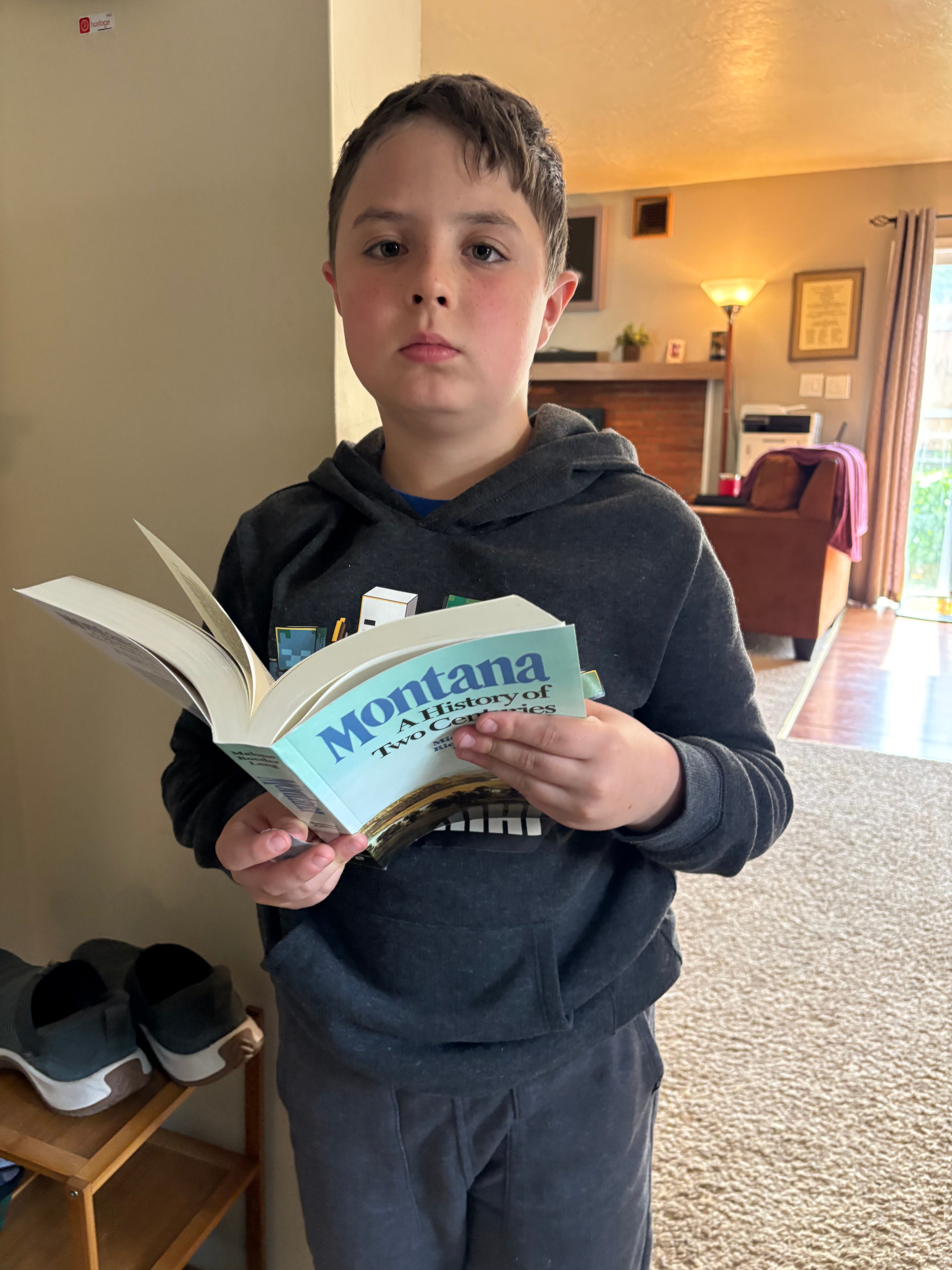
Over the weekend, my wife and I sat down with our son for a true “sit-down”. Every parent knows the kind I am talking about. The ones that usually result in a few tears.
The subject was how his academic work had been going. Short answer: it had not been going well. Moving up to the next level of academic challenges, he had found the work harder in a way he wasn’t used to. Having never been much of a procrastinator, he now found that writing was not coming easy to him, and he was not liking it. When something is hard and you don’t like it, it slides. His writing slid.
We talked through what that sliding did. Some of it was obvious: assignments late, nagging from us, and even missed time with friends. Some of it was less obvious and landed on the rest of us. When one person in a house is delaying, the delay is not just about them. It shows up in the evenings, in the weekend plans, in the tone at dinner, in our ability as a family to operate. My wife had spent most of a Friday evening trying to coach and cajole my son to get his work done. At the end of the week, it was the last thing any one of us needed.
Sitting across from him with my wife, I then went through the ways we could help. It came out as half menu and half negotiation. Did he want us to remind him? Did he want us to nag him? Would positive reinforcement work, or negative? Did he want a reward at the end, or a consequence along the way? Did he want lots of reminders? We went through a whole litany of possible options.
He finally said no. He didn’t want any of that.
“I just want you to ask a question,” he said. “Do you think I will be happy with this decision tomorrow, or at the end of the week?”
My wife and I looked at him in something close to shock. We had come into the conversation with a toolkit, and he had set it aside for a single sentence. I sat dumbstruck. I started thinking about all the things that I procrastinated during the week and realized that I had been searching for this question.
While it was obvious to me, I asked him why he wanted this question. Maybe he had heard it on a TV show and this was just the answer that people told their parents.
Then he started to talk through his process. When he thinks about what happens tomorrow, he said, he realizes that many of the decisions he makes are not what he actually wants. They just feel good at that moment. Thinking about how he would look at things tomorrow, he would make different decisions.
Reflecting on it since, I have come to think that so much of our lives is spent talking about the decisions we want to make today, rather than the decisions we will want to have made in a little bit. Today is loud. Today has the tired evening, the more interesting tab, the doomscroll, and the inbox that is easier than the hard thing. Tomorrow is quiet, and it rarely gets a vote.
Yet, tomorrow is where we actually live with the decision.
At work, it is the stuff we don’t want to do. It is the difficult conversation with a colleague, the review that should have happened in September, and the project update we know will disappoint someone. We delay them because today does not want to do them. Then, left alone, they become what they always become, a festering mess. The conversation gets harder, the review gets awkward, and the update turns into an explanation.
Our private lives are no different. It is the call to a parent, the doctor’s appointment, and the repair we keep stepping around. I, personally, know we need to fix our garage, and that requires calling a plumber, which in turn costs money. So if I don’t make the call, I don’t have to spend the money. However, tomorrow my garage is still not fixed. We push them to a tomorrow we never consult, and they fester there too.
The question makes the issue one of ownership. Nobody is telling my son what to do. The question hands the decision back to him and asks him to make it as the person he will be in the morning.
I am not sure that it works every time. He is 10, and there will be evenings when the honest answer is “no, I won’t be happy with this” and he does it anyway. That’s true of me as well. But the question at least makes us think about tomorrow before we decide.
What you are reading today is a result of that. I sat and wanted to watch a video about the elections and history and the latest invention and some world event and so on. But when I asked, “Would I be happy with this decision tomorrow?” I sighed and fired up my typing fingers.