
Thirty minutes before my son’s first competitive dance, Joelle gathered the Tiernan School dancers together for a warm-up.
She organized it, not because it was required, but because she understood what the group needed before the evening started. She’s one of the older dancers at Helena’s Tiernan School, a nursing student at Carroll College, and a teacher in the program. She had her own dances to compete in that night. The group had a particular kind of energy — nervous, careful, coiled — and she moved through it with an ease that looked like authority without any of the performance of it.
The First Feis runs at night. It is the very first competition of the night, for dancers who have never stood in front of a judge before. It is a separate bracket. Just kids doing this for the first time, together, in front of an auditorium that holds two or three hundred people.
My son was nervous walking onto the floor. The quiet, visible kind that we all would have. And then Joelle moved.
She found a spot just behind the judge, directly in my son’s sight line, and stood there. She didn’t wave or signal. She simply stood where he could find a familiar face when he looked up. She had her own dances that evening, her own preparation, her own everything. She stood there anyway.
My wife cried watching him dance. She cried because he was out there, and all those weeks of practice had led to this particular moment, under these lights, in front of those judges. He walked out and did the thing. The tears weren’t about the outcome. They were about the doing.
Some part of both of us understood, without saying it directly, that the reason he walked out steadily was the community that had been quietly holding him up since before the evening started. Then the judge handed each first-timer a stuffed animal as they came off the floor. It was a small gesture validating the bravery and the accomplishment.
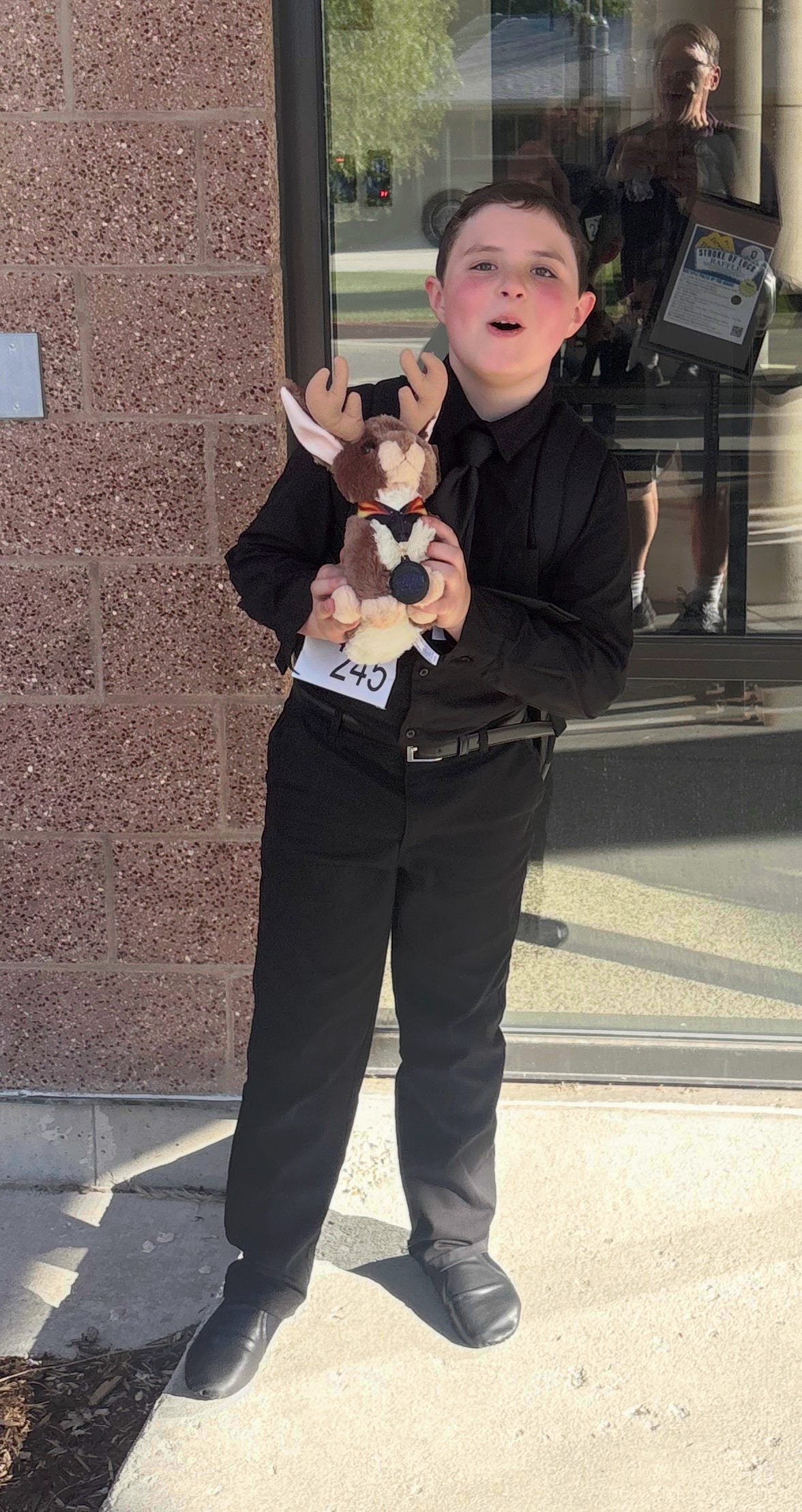
The next morning, my son competed alongside all the other dancers. Backstage, Joelle was moving through the space. Finding Tiernan dancers as they came off the floor and meeting them before they went on. She offered high-fives or brief words, whatever each person needed. She was also competing in her own categories. These were not separate activities.
The Tiernan dancers took home over forty first-place finishes.
Most of the professional rooms I’ve worked in carry a quiet assumption: individual performance is the engine. You develop your skills, get sharper, and the team benefits as its people improve. There’s truth in that. But it treats individual strength and collective support as a sequence. First, you become good, then the group gains. It frames investing in the people around you as something you do after your own work is finished.
What I watched that weekend doesn’t fit that sequence. Joelle was competing hard in her own right while simultaneously raising the capacity of everyone around her. These weren’t competing claims on the same energy. They were feeding each other. The group she was helping build was holding her up at the same time she was holding it. You can’t pull those apart. That’s precisely the point.
Forty first-place finishes.
My son came home with his stuffed animal and a look I recognized as the particular satisfaction of having done something you weren’t sure you could do.
And I’m still thinking about the woman who organized the warm-up before anyone was watching, and then found a way to stand where a scared kid could see her face.
If something here landed differently than you expected — I’m reachable by reply.